Doctor Frankenstein would have loved this experiment that makes electrons jump from place to place, with a shocking conclusion. You can watch us demonstrate it on Kare11 Sunrise by clickinghere.
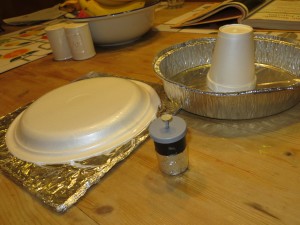
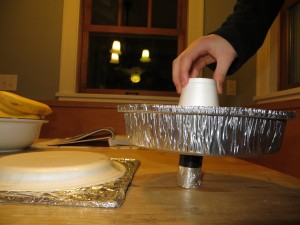
To make anelectrophorus, or charge carrier, all you need is a Styrofoam plate, a cardboard square large enough to tape the plate onto, an aluminum pie pan, a Styrofoam cup, aluminum foil and wool, like an old mitten or stocking cap.
Tape the foam cup to the inside of the pie pan. Then cover the cardboard with foil and tape the plate on to the surface, facing down.
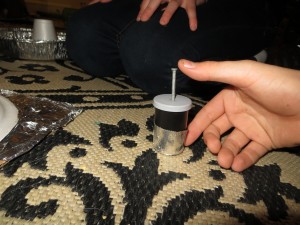
For yourLeyden jar, which can make a bigger spark and shock, you’ll need a plastic film canister or an empty spice jar*, a nail longer than the canister, aluminum foil and water.
Cover the outside of the bottom of the film canister or spice jar with foil, push the nail through the cap, fill it 3/4 up with water and replace the lid/nail so the nail is in the water. *If you’re using a spice jar, put foil on the bottom half of the jar, remove the lid, fill it 3/4 full of water, and make a new “lid” by covering the top of the container with duct tape. Stick your nail through the duct tape and your Leyden jar is ready to go! If your nail doesn’t stay in place, use more duct tape to secure it!
Now rub the foam plate with wool for about a minute. The Styrofoam attracts electrons from the wool, giving the plate a negative charge.
It’s important to do the next steps in order!
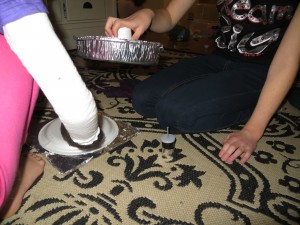
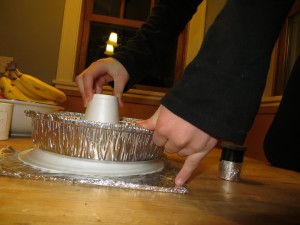
1. Put the pie tin on the foam plate. The electrons on the pie tin are repelled by the negative charge on the plate, but they can’t go anywhere.
2. Put your thumb on the foil at the bottom and leave it there while you touch the pie tin with a finger on the same hand. You should feel a small spark as the electrons jump from the pie plate to your hand, leaving the plate with a positive charge.
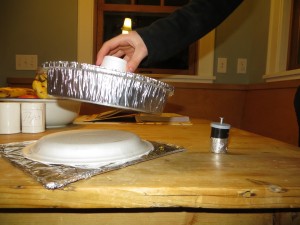
3. Lift the plate using the foam cup and touch it to the head of the nail on your Leyden jar. Electrons will flow from the nail to the pie plate, leaving the nail and inside of the jar with a positive charge. Repeat steps 1-3 a few times to build up a charge in your Leyden jar.
4. When you’re ready for a shock, put your thumb on the foil on the bottom of your Leyden jar, leave it there, and bring your fingertip close to the nail on the jar. Electrons will jump from the negatively charged foil on the bottom of the jar to the positively charged nail, giving you a shock. If you try it in the dark, you may see a spark as the electrons move through the air to your finger!
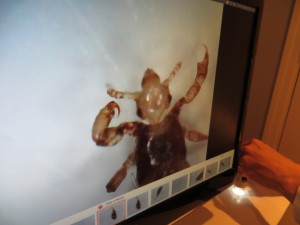
Human Head Louse: Check out those hooks they use to grasp hair!
It’s overwhelming and disgusting to find a bug in your kid’s hair, but chances are pretty good that most parents will have this experience.(Some estimates say that 1-3% of grade schoolers are infested.)
It happened to me last year. I’d been expecting it, since we get a nurses note at least once a month that someone at school has lice. Since I hate the idea of putting pesticides on my kids’ heads, I decided to head over to the Minneosota Lice Lady to see what she could do. Thanks to her, the lice were removed, the rest of us were checked and declared lice-free, and I discovered that Gonner Asser is an expert on the tiny creatures. Since then, I’ve taken two microbiology classes of nursing students on field trips to visit her studio and learn about the tiny parasites.
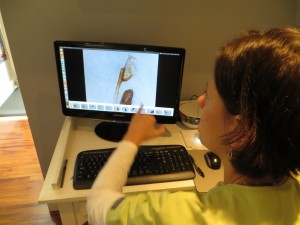
Gonne Asser, the Minnesota Lice Lady, shows us a hatched nit through the microscope in her studio.
We looked at nits (lice eggs) on hair (they look and feel like tiny brownish knots,) observed lice in all life stages under the cool microscope she has set up for kids and learned how to treat and avoid head lice. Here are my Cliff Notes, but she shared many other amazing facts and studies! Check out myths, facts and lice study references on her website.
1. Lice move from hair to hair, head to head and hygiene has little to do with it. In fact, they may like clean hair better! To avoid getting lice, long hair should be pulled back into braids or a bun so lice can’t use their claws to crawl from ponytail to ponytail while kids are head-to-head reading, talking or playing Temple Run.
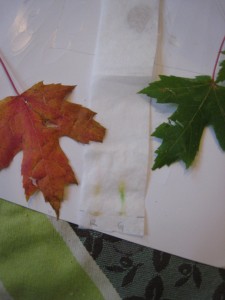
2.Lice are a social disease. If your child has lice, chances are, they may have passed it to a friend, so don’t be shy about calling other parents and the school nurse. You’ll be doing everyone a favor. Likewise, if your kid’s friend has lice, check your own child carefully! They don’t always itch. A lice comb is the best way to check for the brownish nits and bugs, which can be seen by wiping the comb on a white paper towel.
3. Lice do not move from the environment to your head! If someone in your family has lice, you need to have that person treated and everyone else checked, but don’t bother bagging stuffed animals, pillows, etc. Lice cannot live away from the human head for long. They essentially dry up and die. Nits (lice eggs) have to be incubated 1/4 away from the scalp to hatch. Even a fever can kill them. Check out this study from a school where 450 students were infested and they didn’t find even one louse on classroom floors.
Nits (louse eggs) on a hair look and feel like a tiny knot.
4.Pesticide head treatments often won’t kill lice. Many lice have developed resistance to these pesticides which often only kill 20-50% of lice and many of them contain chemicals which are considered hazardous. The best way to remove lice is with a lice comb and conditioner. Nits can take almost 3 weeks to hatch, so you have to keep combing and checking for a month to make sure all lice have been removed and no more are present to lay eggs. Or, go to a professional like the MN Lice Lady and make sure they’re willing to recheck and guarantee their treatment.
5. Finally, good news. Although they’re gross, lice don’t carry disease. Head lice only infest hair on the head, and they’re generally not even found on hair in hairbrushes. Kids tend to get them since they spend more time head-to-head, but braids and buns, and even sprays or shampoos with plant products (like tea-tree oil) can discourage them from climbing over.
My microbiology class just had a great field trip to the Minnesota Lice Lady. We looked at nits and lice through a microscope, learned about the parasite’s life cycle and heard that braids or a ponytail can keep your friends’ bugs from crawling over to your head. I’ll be posting soon about these little monsters!
Cricket magazine has been around for a long time, but I just discovered a kids’ science imprint called Muse magazine, for kids from 9-14, which I’ll be getting for every kid on my list this year! I have no affiliation with the magazine, but learned about it as the result of a science online meeting I’ll attend later this year. I’m co-moderating a session with Elizabeth Preston, who is the magazine’s editor and writes a great adult science blog called Inkfish.
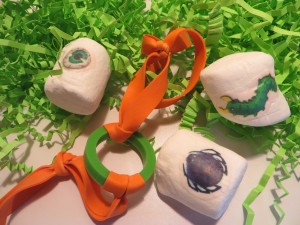
If you love marshmallows, you’ll love this physics experiment for Halloween. We’ve taken our ordinary Marshmallow Slingshot experiment to a spooky new level by adding edible tattoos to the marshmallows for Halloween. (We found them online at Oriental Trading Company.)
They’d be perfect for any Halloween party. Set up some pumpkins as targets and watch elastic energy turn into kinetic energy as you fire away. Click here to see the original post and learn about conservation of energy.
A fun video about making these slingshots and showing them in action is on both the free and Premium versions ofKidScience appfor iPhones and iPod touch.
Image from Kitchen Science Lab for Kids (Quarry Books 2014)
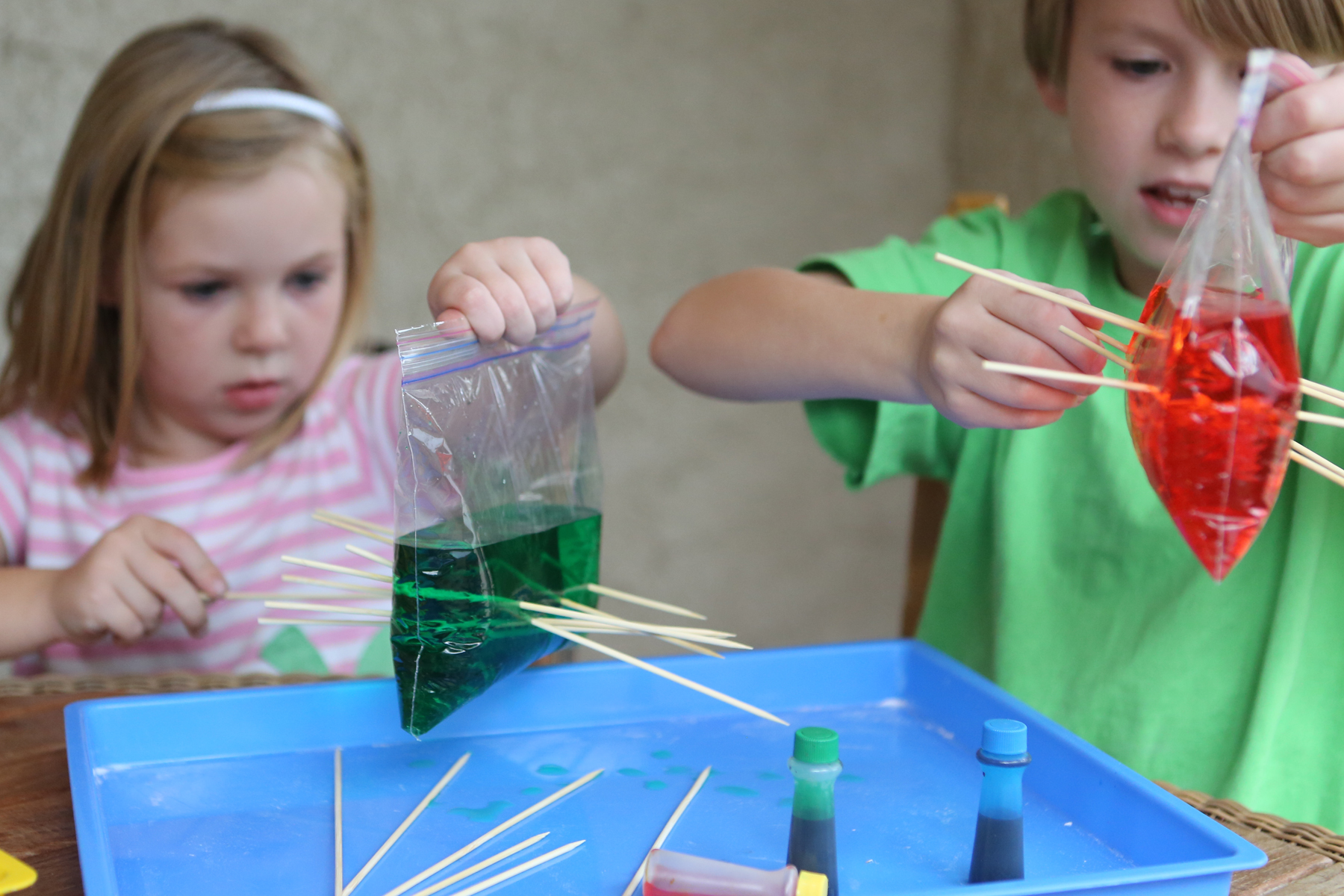
You’ll be amazed when you fill a plastic zip-lock bag with “blood” and poke sharp skewers through, only to find that the bag doesn’t leak! All you need is a ziplock bag, water, food coloring and wooden skewers. Heavy-duty ziplocks work best! Fill a quart-sized ziplock bag with water, add a few drops of red food-coloring, and seal it. Slowly poke several wooden skewers completely through the bag, from one side to the other, avoiding the part with air in it. See how many you can push through! (Remember to be careful with the sharp points and I’d recommend putting a bowl underneath to collect drops.)
Why doesn’t the bag leak? Plastic is a polymer, made up of long, elastic molecules that form a seal around the spot where the skewer is poking through. In addition, the bag is sealed and contains very little air, so there isn’t much air pressure pushing on the water. If you make a hole in the part of the bag with air in it, surrounding air pressure (atmospheric pressure) can push on the liquid and make the bag leakier!
I love that filmmaker Brad Canning thanks NASA, NASA’s Jet Propulsion Laboratory (JPL,) Mars and “Our Curiosity.” It’s a great reminder that without the public funding of science, there would be no man on the moon, no International Space Station, and no video of this amazing feat. Our nation’s boldness to go where no one has gone before is one of the things that makes us great.
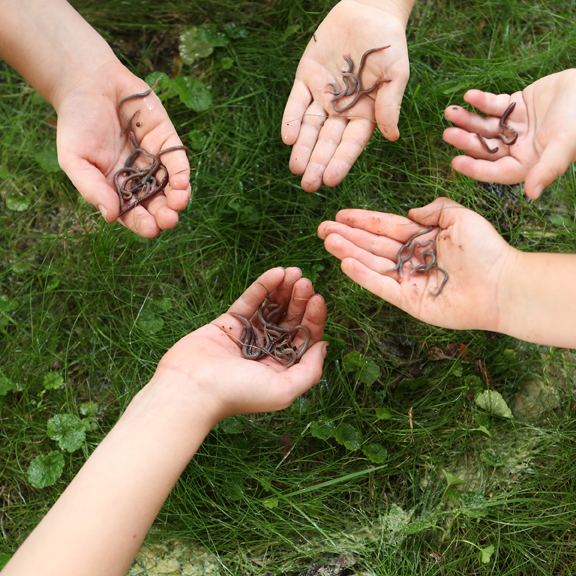
Earthworm Eruption from Outdoor Science Lab for Kids (Quarry Books 2018)
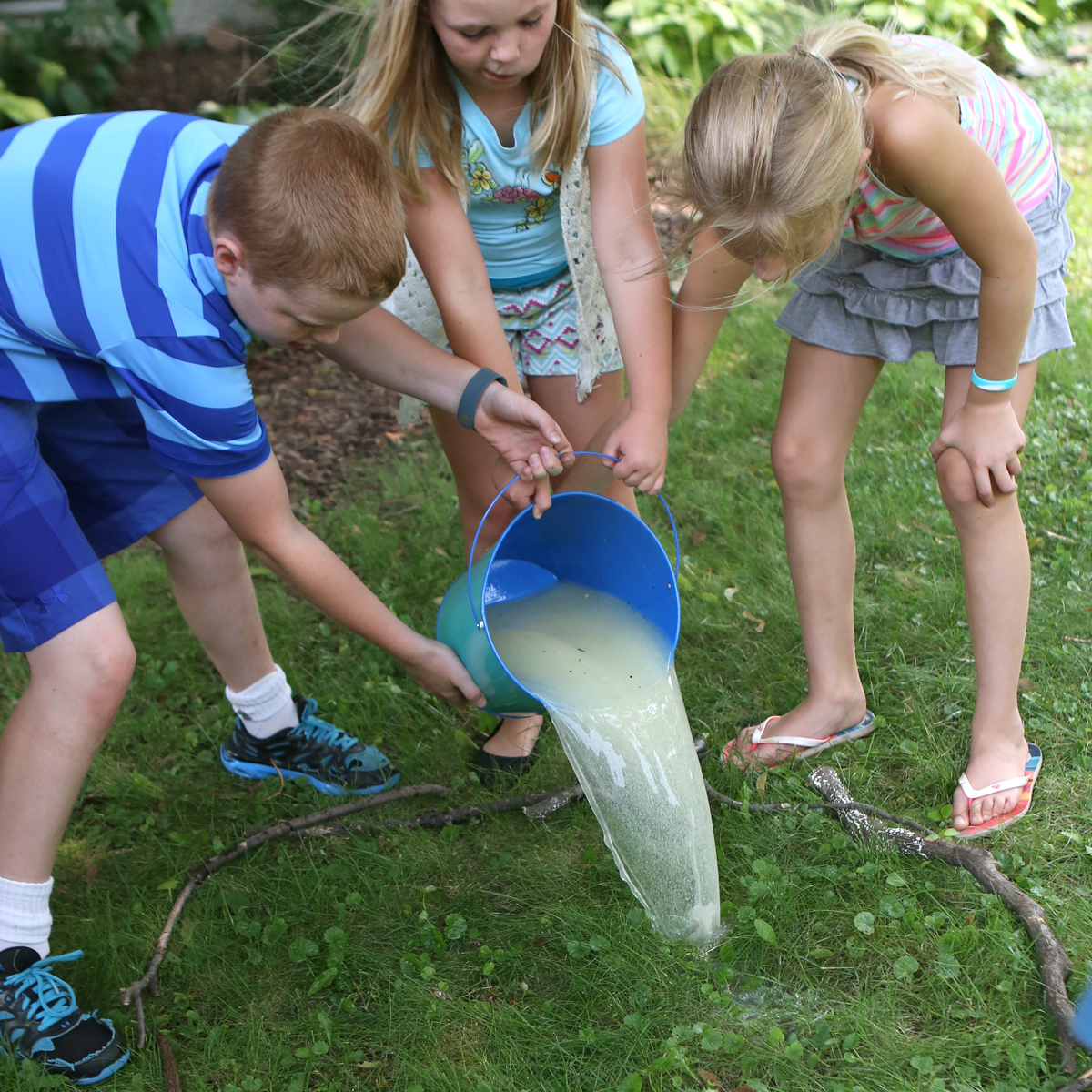
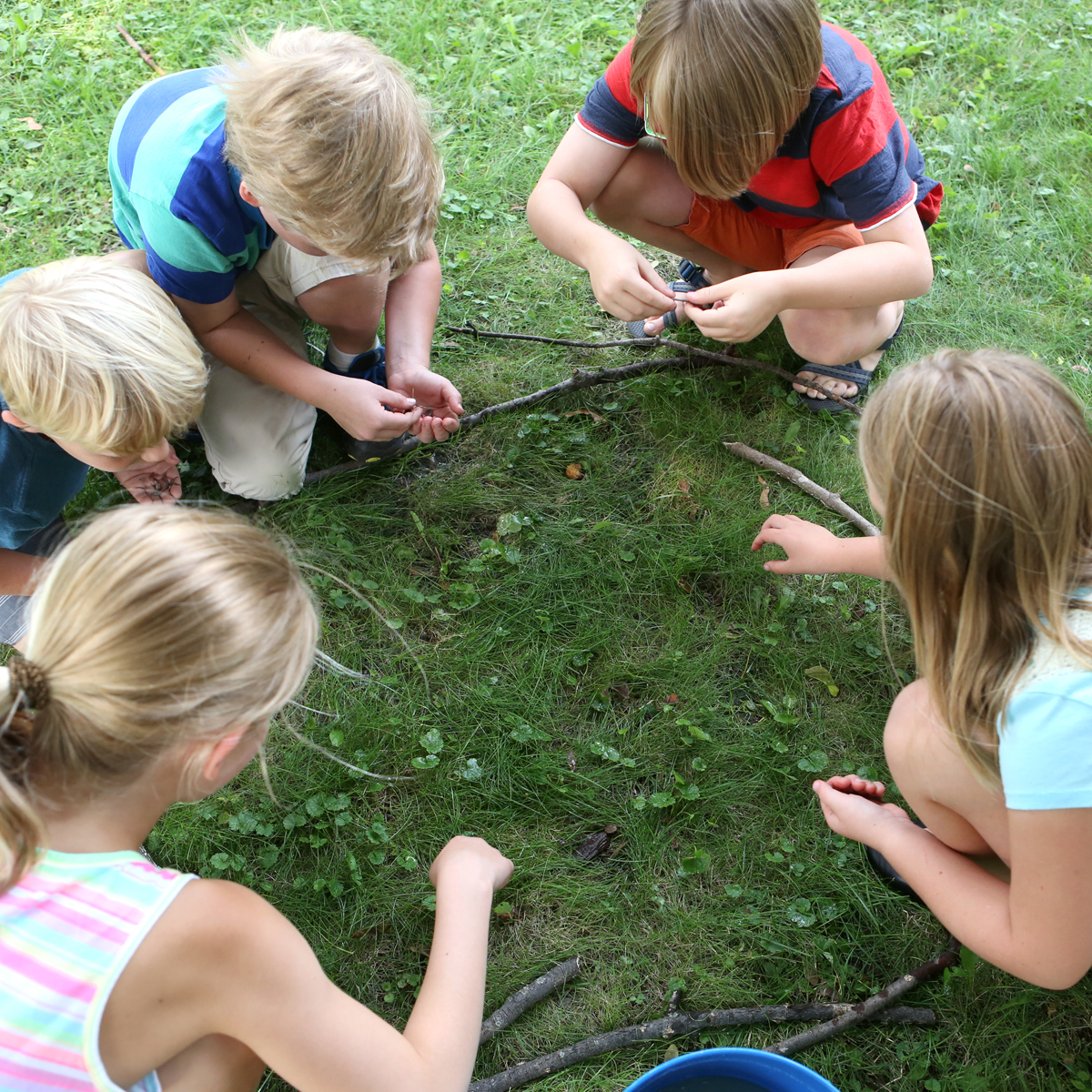
Measure out a one square foot sample plot (35cmx35cm) with string and stakes, and pour about half of a your mustard mixture (1/3 cup ground mustard dissolved in 4 Liters of water) over the dirt in your grid. Be careful not to splash any in your eyes! Wait for the worms to come up, and when they’ve emerged completely, grab them and put them in a container. When they stop popping up, add the rest of the mustard mixture to the plot and wait for a second batch of worms to appear from deeper in the soil.
Earthworm Eruption from Outdoor Science Lab for Kids (Quarry Books 2018)
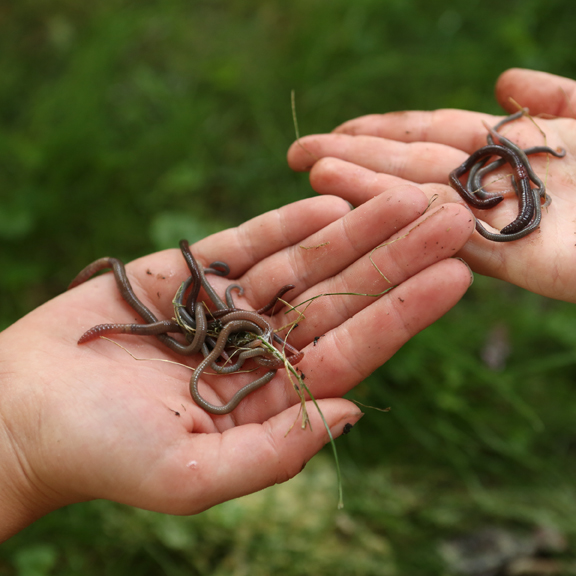
How many worms did you find? The Great Lakes Worm Watch is doing a study of worms, so you can preserve the worms and send them to their labs for identification, or you can try to identify them yourself. Great Lakes Worm Watch has other resources if you’re interested in learning more about Earthworms!
Earthworm Eruption from Outdoor Science Lab for Kids (Quarry Books 2018)
One of our favorite stops at the Minnesota State Fair is theDepartment of Natural Resources (DNR)building. After checking out some birds of prey, the fish pond and some monarch caterpillars, we stumbled on an entire room devoted to educating the public on the control of invasive species. Although I was familiar with buckthorn and Zebra Mussels, it was surprising to see the lowly earthworm represented alongside other more obvious dangers to Minnesota’s ecosystems.
We learned that the earthworms in Minnesota and the entire Great Lakes Region are non-native species, brought over from Europe long ago. They’re beneficial to farmers and gardeners, aerating the soil so water and other organic material can move through, but harmful to woodlands, where they disrupt the “Duff” layer of decomposing material on the forest floor, making it difficult for young plant to take root and grow. The lack of undergrowth affects the animal life as well, as hiding places and nesting grounds disappear.
If you like to fish or do worm composting, you can help! It’s very important never to discard unused worms in forests or even water (worms don’t drown.) Just throw them away in the garbage. Some worm mixes contain Asian earthworms of the genus Amynthas, which have become a threat in Minnesota. These worms are also called Jumping Worms since they are very active and lots of them can live together in one place causing lots of damage to forests.
If you’re on Twitter, we’ll be chatting about STEM (Science, Technology, Engineering and Math) tonight at 8 Central under the hashtag #STEMchat. Click here for more information if you’re interested in joining us as we talk about kids science at home and in schools.
Our recent family vacation to South Dakota reminded us that you find science wherever you go…
A ten-hour drive to the Black Hill went by fairly quickly with a requisite break at the Corn Palace, followed by a few highway rest stops featuring “Beware of Snakes” signs. We listened to Johnny Cash as flat corn fields made way for streaks of gray in grassy hills, sawtooth badlands in the distance and eventually misty mountains, black with pines. Wild turkeys and deer greeted us on the outskirts of the Custer State Park as we made our way into the foothills.
At the Mammoth site in Hot Springs, a guide taught us about spearfish shale, sinkholes and erosion while we stared into red and yellow rock littered with the bones of mammoths, ancient camels and a rare short faced bear. It seems that the majority of the victims of the ancient sinkhole were teenage males mammoths. After the tour, the kids dug in a grid for replicas of bones, experiencing first hand how paleontologists extract ancient bones.
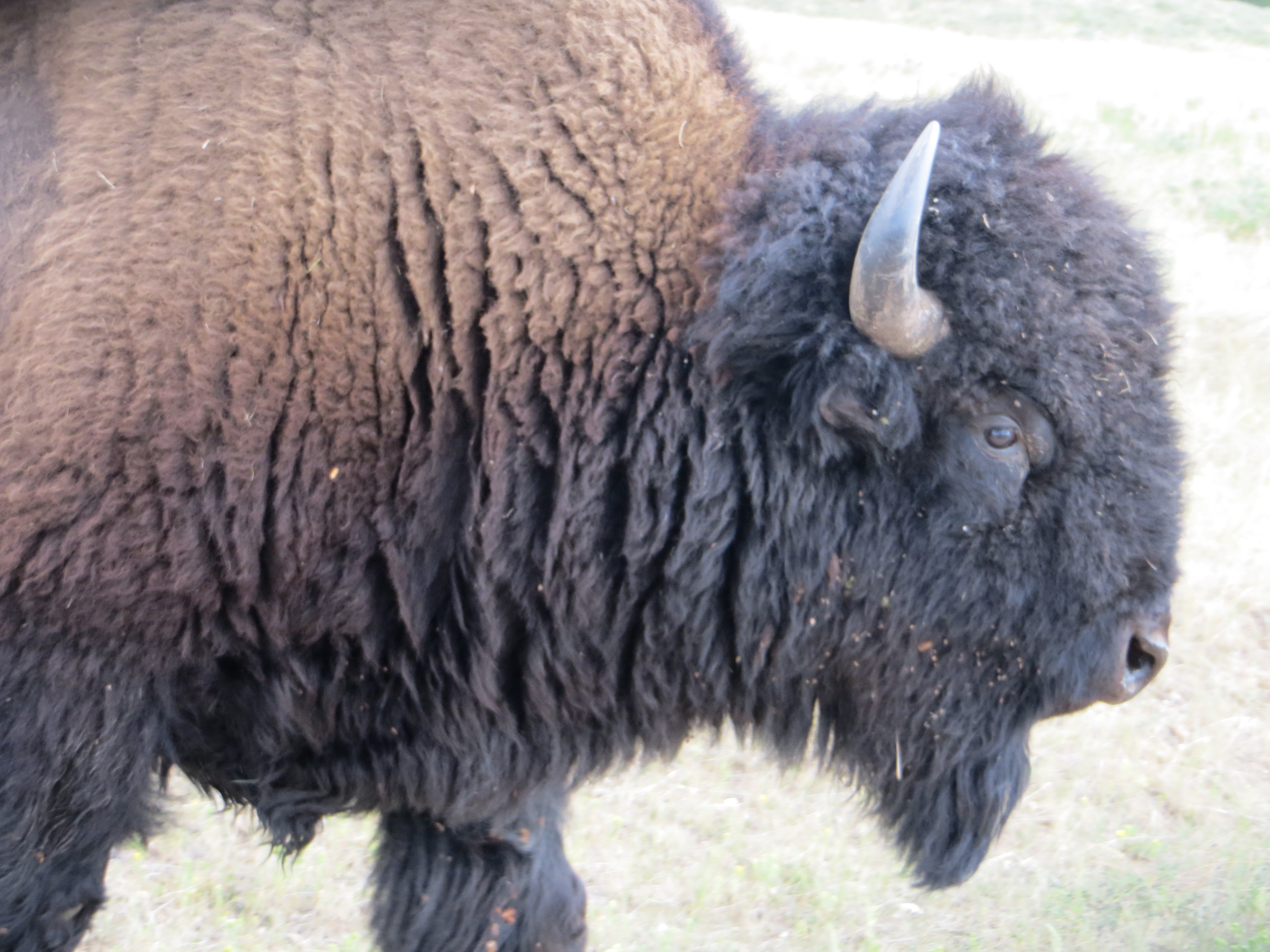
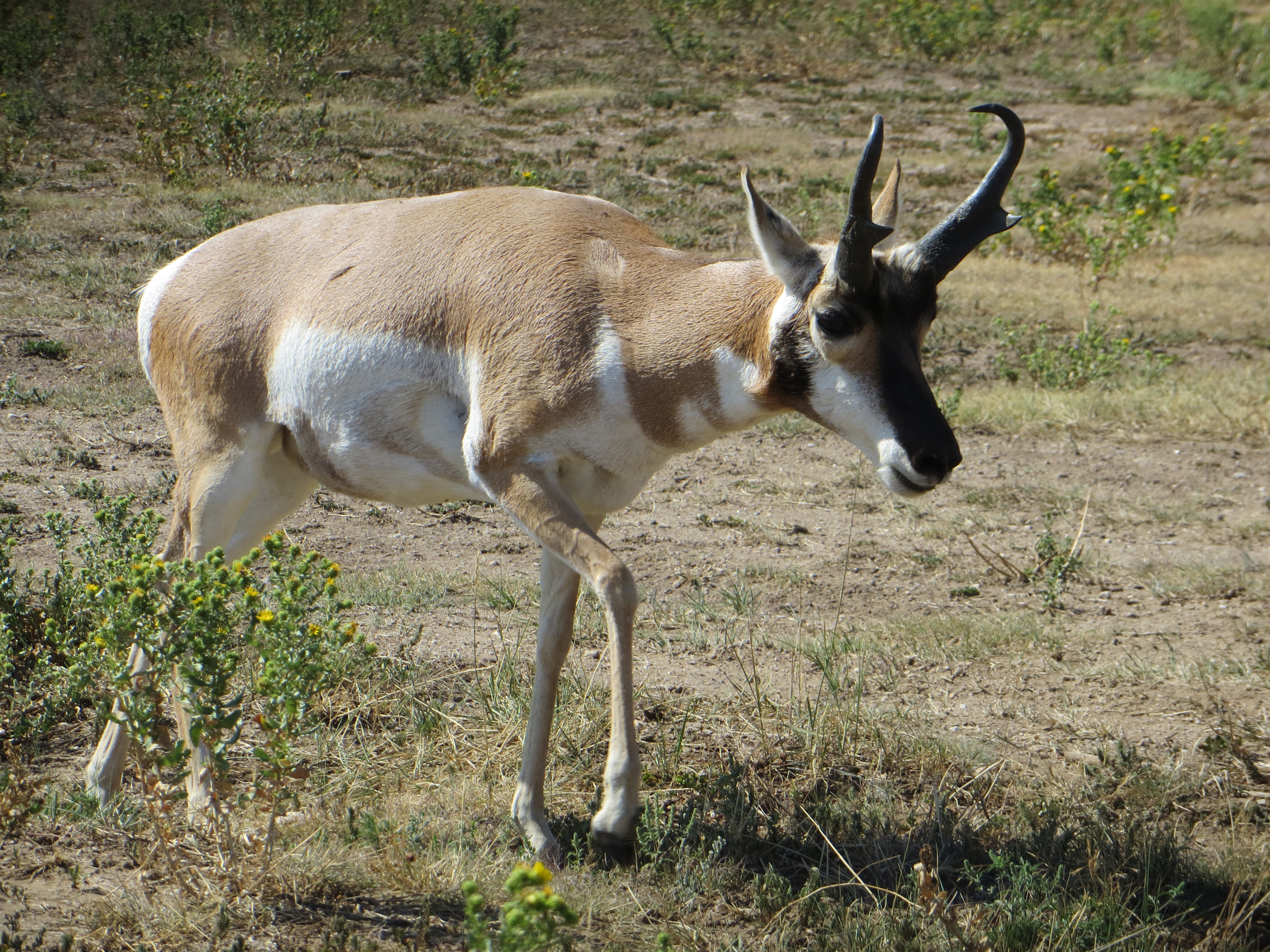
On a Buffalo Safari in Custer State Park, we got up close and personal (in the safety of a park jeep) with bison, pronghorn antelope, and prairie dogs. Our driver captivated us with stories of buffalo charges and we learned that researchers recently discovered that the dramatic drop in the park’s elk population is the result of the increased mountain lion (cougar) population and their taste for baby elk. I couldn’t resist asking about bubonic plague (carried by fleas and sometimes found in prairie dog colonies) and chronic wasting disease (prion disease) in the elk. Luckily, neither are a problem. The kids asked question after question about the animals in the park.
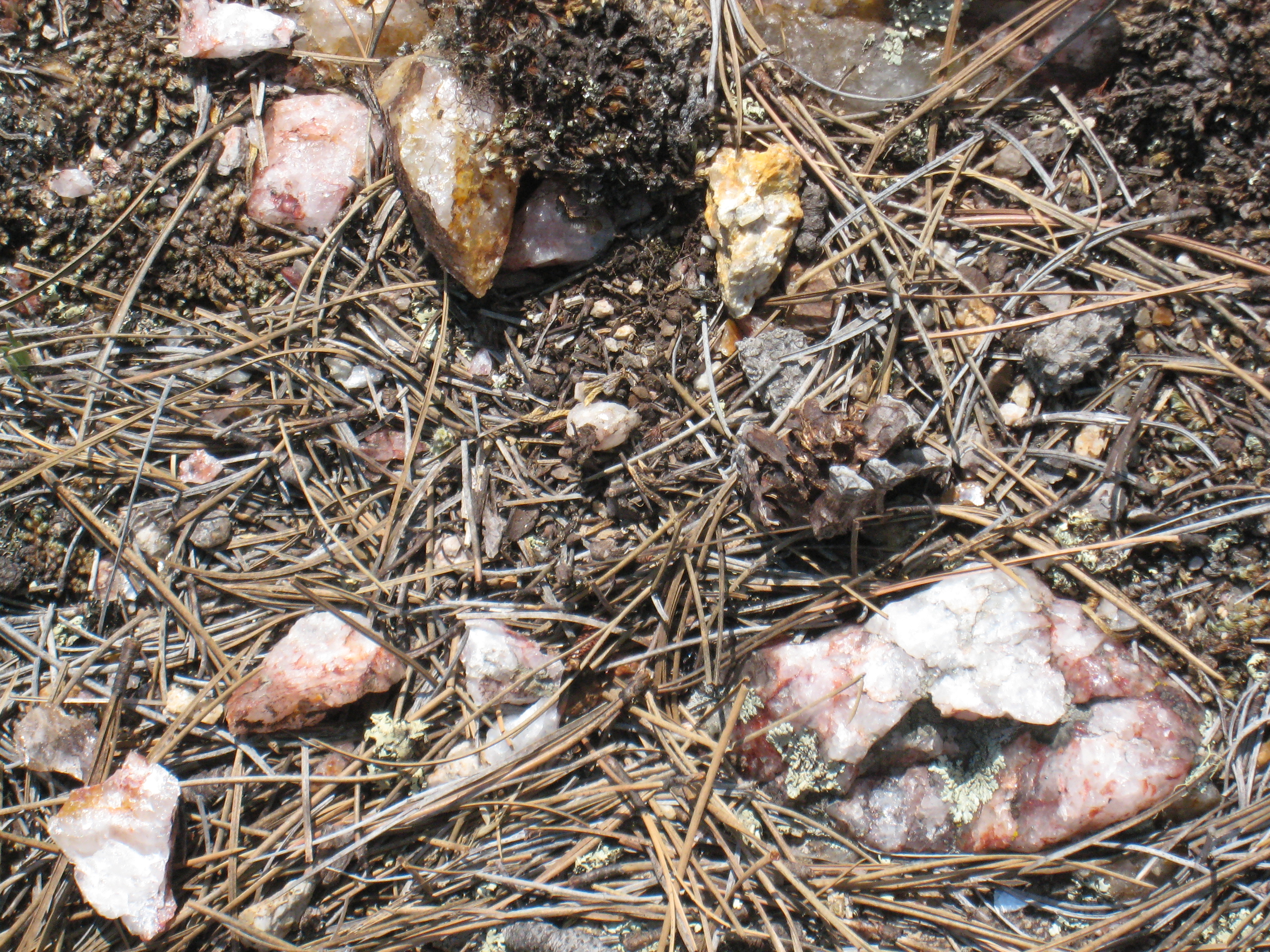
Quartz, granite and mica sparkled along the sides of the trails as we climbed over boulders and hiked around lakes.
We followed the gorgeous Needles Highway to the monumental faces of Mount Rushmore on a gusty, hazy day. The wind brought traces of smoke from a distant fire -and the science of combining winding roads with sensitive inner ears brought on a bout of motion sickness in the back seat.
On a horseback ride in Custer State Park, the beautiful scenery was marred only by dust kicked up from this summer’s drought and the occasional rusty corpses of trees killed by pine beetles. Heading home, we took a detour into the Badlands National Park and stood in front of a carved landscape standing testament to the power of water, wind and time.
What science did you find on your vacation?